
Basement Waterproofing in Whangarei and Northland
Exterior waterproofing for damp and leaking basement walls, using Sika products and proper drainage so the fix lasts.
 021 0236 9667
- Certifying drainlayer
- Certified Hynds and Duracrete installer
- Free quotes in Whangarei
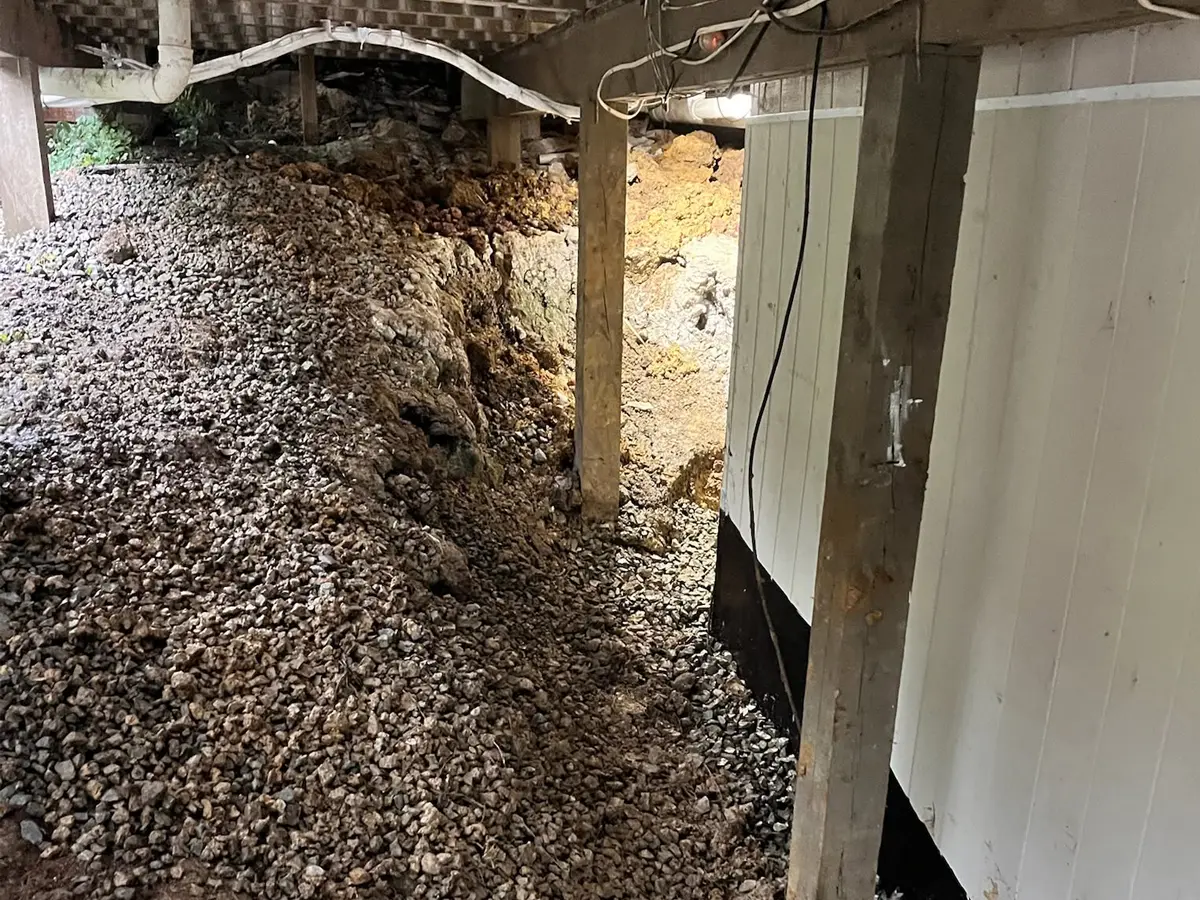
Signs your basement needs waterproofing
A basement or lower-level room should be a dry, usable space. When water gets through the walls, it can damage belongings, cause mould and make the room unpleasant to be in.
We waterproof basement walls and retaining walls against houses across Northland. The fix is done from the outside of the wall, which is where the water is coming from. The result is a dry wall and a room you can use again.
You might notice
- Damp patches or tide marks on basement walls
- Water seeping in after heavy rain
- A musty smell, mould or peeling paint
- White, powdery deposits on concrete or block walls
- A retaining wall against the house that's letting water through
Why basements leak
Soil around a basement holds water, especially after heavy rain. That water presses against the wall and slowly finds its way through concrete, blockwork and the joints between them. Northland’s clay soils hold water for a long time, so the pressure on the wall can last for days after it stops raining.
Many older basements were built without proper waterproofing on the outside of the wall, or without drainage at the base. Others had waterproofing that has broken down over the years. Either way, water ends up sitting against the wall with nowhere else to go.
Why we fix it from the outside
Interior sealers and paints can reduce the damp you see, but the water is still pushing against the wall from outside. Over time it can push coatings off or find another way in. Waterproofing the outside of the wall and adding drainage at the base deals with the cause, by stopping water reaching the wall and giving it somewhere to go. That’s why Drainspec only waterproofs from the outside.
Our process, step by step
Every job follows the same steps, so the wall is properly prepared and protected before it’s covered up again. Most owners are at home while the work is done and can see each stage for themselves. If you’d like a photo record of the job, we can take photos of each stage on request.
-
1Expose the wall We dig down along the outside of the wall to the footing, so the whole wall can be treated.
-
2Clean the wall The wall is water blasted to remove soil, old coatings and loose material, giving the waterproofing a clean surface to bond to.
-
3Apply the waterproofing Three coats of Sika BlackSeal waterproofing are applied to the wall.
-
4Protect the membrane Polystyrene protection board goes over the waterproofing, so the backfill can't damage it.
-
5Install drainage Novacoil is laid at the base of the wall and surrounded by drainage metal, then connected to an approved outlet so water is carried away.
-
6Backfill and reinstate The trench is backfilled, and paths, decks and gardens along the wall are put back.
Retaining walls against the house
Where a retaining wall forms part of the house or sits right against it, water behind the wall can cause the same problems as a leaking basement. The same process applies: expose, clean, waterproof, protect and drain. For freestanding retaining walls in the garden, our subsoil drainage page explains how drainage behind the wall helps. Subsoil drainage →
Consent and engineering
In our experience, remedial waterproofing on an existing basement in the Whangarei district usually doesn’t need a building consent. Every job is different, though, so we’ll talk you through what applies to yours, and it’s worth checking with your council if you’re unsure. Digging along a wall can also affect the foundations, so the excavation is planned carefully to keep the house supported. Where the depth of the dig or the condition of the wall calls for it, we bring in an engineer before work starts.
What affects the price
Every basement is different, so we quote each job individually. The main things that affect the price are:
- 01 Length and height of the wall a bigger wall takes more digging and more waterproofing
- 02 Access how easily a digger can get along the wall
- 03 Ground conditions clay, rock and water all affect the digging
- 04 Obstacles and reinstatement paths, decks, gardens or services along the wall, and putting them back afterwards
- 05 Drainage outlet how far the water needs to be carried
- 06 Location travel time for sites further from Whangarei
Quotes are free in Whangarei and the surrounding area. We’ll look at the inside and outside of the wall before we quote, so the quote covers the whole job. Your quote will set out exactly what’s included.
How long does it take?
Every job is different, so we give you a realistic timeframe with your quote. The waterproofing needs dry weather to go on properly, so wet spells can shift the start date. If anything changes once work starts, we’ll keep you updated.
Our workmanship promise
We use Sika waterproofing products and follow the same process on every job. If there’s ever a problem with our work, we’ll come back and fix it. That promise comes with every basement job we do.
Why choose Drainspec
Basement waterproofing FAQs
Can’t see your question? Call us on 021 0236 9667.
Most damp basements are caused by water in the surrounding soil pressing against the wall and working its way through. It’s common where there’s no waterproofing on the outside of the wall, or no drainage at the base. Clay soils and heavy rain make it worse, which is why so many Northland basements are affected.
Interior coatings can reduce the damp you see, but they don’t stop water pushing against the wall from outside. That’s why Drainspec only waterproofs from the outside, with drainage added at the base. It deals with the cause rather than the symptom.
In our experience, remedial waterproofing on an existing basement in the Whangarei district usually doesn’t need one. It still depends on the job, so we’ll tell you what applies to your property when we quote. If you’re unsure, your council can confirm.
Yes. Retaining walls that form part of the house or sit against it are waterproofed using the same process as a basement wall. The drainage at the base carries water away, so it doesn’t build up behind the wall.
Get a free quote
Tell us what’s happening with your basement or wall. Photos of the damp inside and the outside of the house where the wall is help us understand the job before we visit.
We reply to every enquiry within one working day.
